Author

Alfi Risky
Email:
riskyramadhana51@gmail.com
A volunteer at the Research Center for Social and Cultural Studies (Pusat Riset Ilmu Sosial dan Budaya – PRISB), Universitas Syiah Kuala (USK), supporting research and community engagement activities.
“Disaster strikes when disaster disappears from memory.” With these words, Japanese geophysicist Terada Torahiko (1878–1935) captured a warning that still rings true today. In Indonesia—a nation perched atop the volatile “Ring of Fire”—disasters are more than statistics; they are part of everyday existence. Floods, landslides, earthquakes, and tsunamis regularly shape the landscape and the lives of its people. Among these, tsunamis have left an especially deep mark. Historical records show that, since the 15th century, Indonesia has faced at least 175 tsunamis. The Indian Ocean Tsunami of 2004, which devastated Aceh, remains one of the deadliest in modern history, claiming approximately 280,000 lives—220,000 of them in Indonesia, with the remainder in neighboring countries.
More than 20 years have passed since the Indian Ocean (Aceh) Tsunami, but it remains vivid in many people’s minds. Remembering together helps communities stay strong and better prepared for the future. The memories of the Aceh tsunami evoke sadness, trauma, and unity. Keeping these memories alive is not just about honoring the past but also about teaching and preparing for what’s ahead. As Alfi Rahman and colleagues wrote in “Memory, Meaning, and Monuments: An Ethnographic Study of Tsunami Memorialization in Aceh,” collective memory is crucial for disaster education and empathy. It connects people with the tsunami’s legacy, as seen in Aceh’s memorials that raise awareness and build resilience. Ahmad Arif’s study, “Hidup Mati di Negeri Cincin Api” (2012), also highlights the value of preserving memory through place names, legends, and myths, which can help lower risks and save lives. For example, the “Smong” tradition in Aceh saved thousands during the tsunami in Simelueu. So, what else can we do to care for disaster memories?
How Archives Help Us Remember the Tsunami
Alongside cultural traditions—stories, sagas, and myths passed down through generations—archives play an essential role in preserving disaster memories. Watching videos, viewing photos, listening to recordings, or reading manuscripts all help us understand the past. Archives are more than just stacks of old papers; they’re collections of important documents and resources for the future. The National Archives of the Republic of Indonesia (ANRI) defines archives as including papers, files, manuscripts, photos, films, microfilms, sound recordings, maps, and charts.
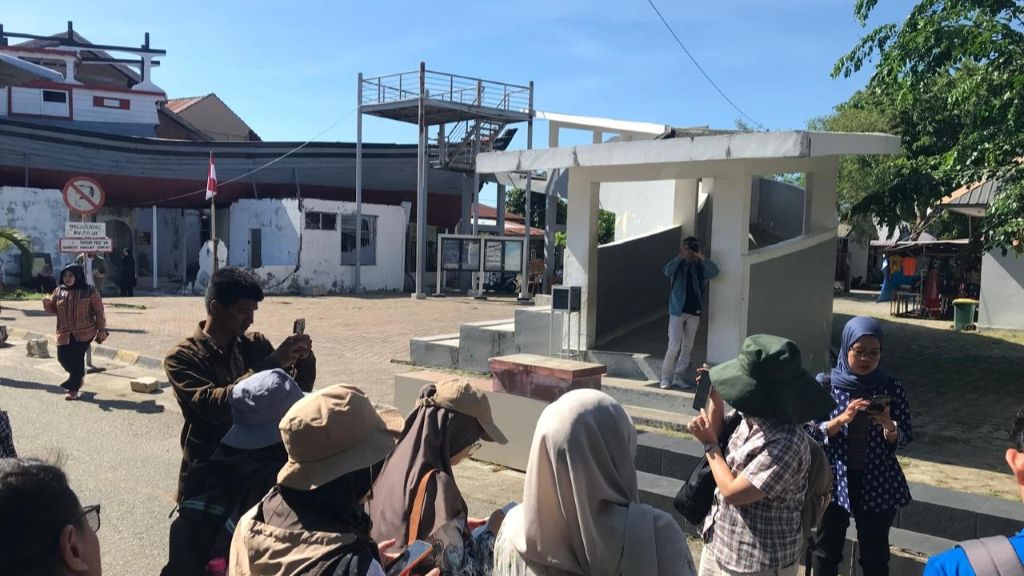
Archives are no longer limited to paper files and physical records. As Muhammad Ihwan, Head of the Balai Arsip Statis dan Tsunami at the National Archives of the Republic of Indonesia (BAST-ANRI), explained during a Memory Talk hosted by the Research Center for Social and Cultural Studies (PRISB), anything we can interpret and document—even the contents of our smartphones—can be an archive. Manuscripts, photos, audio recordings, and digital files all help us remember disasters like the tsunami. Iconic images—such as the Baiturrahman Grand Mosque withstanding the floodwaters, the PLTD Apung ship stranded in the city, or the mosque in Lampuuk left untouched while everything around it was destroyed—are now part of our collective memory. Physical remains from the Aceh tsunami, displayed in museums and public places, also serve as archives and help us grasp the impact of these events.
Saving Lives with Archives and Memory
Arne Olav Oyhus, as quoted in Raistiwar Pratama’s article on disaster and archive management, put it simply: “As a natural hazard, the tsunami was unavoidable—but as a disaster, it was not.” In other words, while we can’t prevent hazards from occurring, we can lessen their impact by being prepared, making sound policies, and raising public awareness. Prevention is just as important as response. That’s why policymakers develop strategies to avoid future tragedies—and why archives are such valuable tools for education and disaster planning.
Archives don’t just preserve the past—they help shape the future. As repositories of shared memory, archives offer valuable knowledge for disaster policy and education. The 2004 Aceh tsunami spurred new efforts to protect vital records. Organizations like the National Archives of the Republic of Indonesia (ANRI) and local archives work diligently to safeguard these memories. But community involvement is just as important. By preserving and sharing these stories, we help future generations be better prepared, lower disaster risks, and respond more effectively when disasters strike.
Post Views:
132